Why value chain control matters more than ever — and the EU laws that require it
In today's global economy, companies are no longer judged only by the quality of their products, but by the integrity, transparency and sustainability of their entire value chain. From raw materials to end users, businesses are expected to understand what happens at every step — even when sub-suppliers remain unknown.
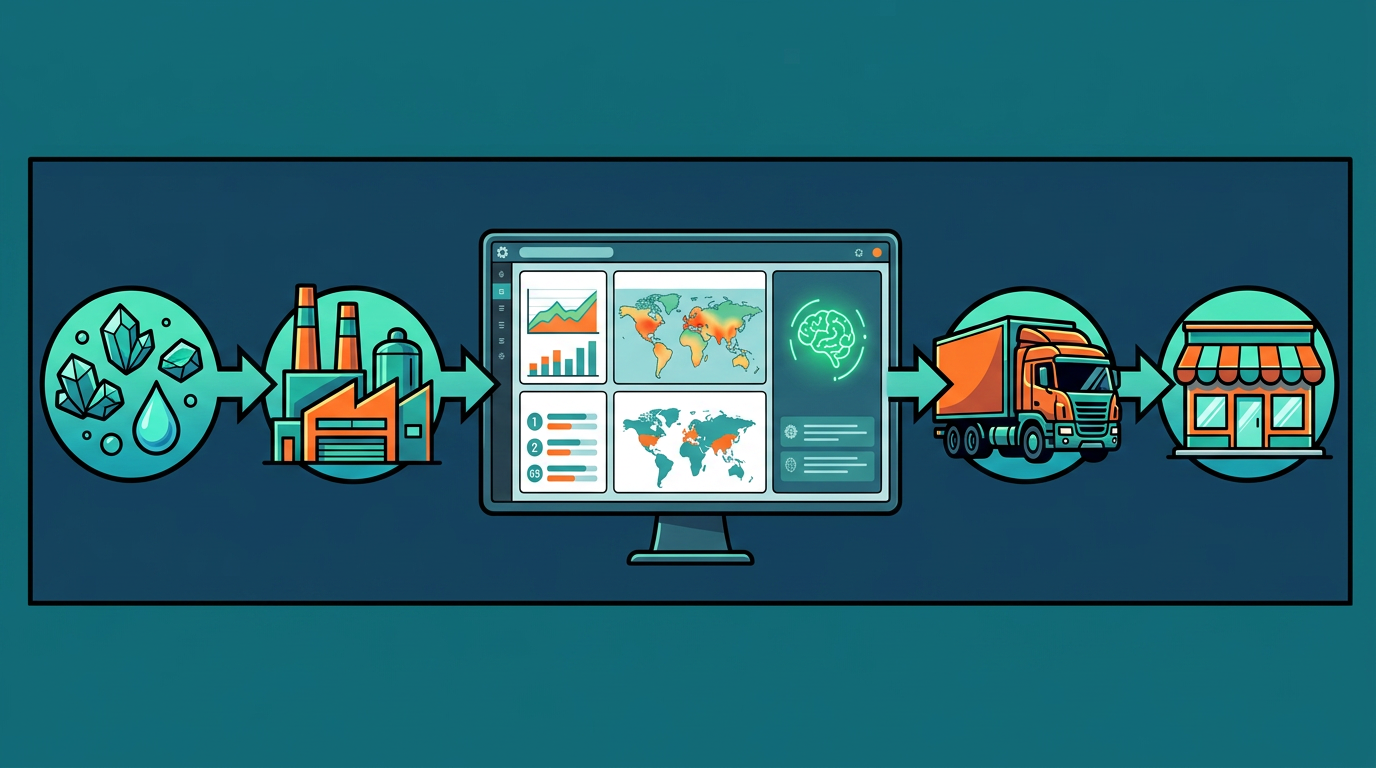
Most companies maintain direct relationships only with their 1st-tier suppliers, which means visibility beyond that is limited. But even without knowing every actor in the chain, companies must still understand what materials or items are coming through and how they flow across multiple tiers.
With rising ESG expectations, value chain visibility has become essential not only for operational improvement, but also for compliance, credibility and long-term competitiveness. This growing importance is reinforced by new and emerging EU regulations that now legally require this level of insight.
Why value chain control is critical for modern businesses
Even when only direct suppliers are known, understanding what is supplied, from where and under what conditions is now a business necessity. Value chain control helps organisations:
- Identify risks across multiple tiers — including unethical labor practices or environmental issues deep in the chain.
- Strengthen transparency and trust with buyers, investors and regulators that demand credible documentation.
- Improve resilience and reduce disruptions by anticipating shortages, quality issues, geopolitical risks or regulatory changes.
- Support sustainable decision-making and invest in improvements that create long-term value.
- Strengthen partnerships through closer collaboration with direct suppliers on shared sustainability expectations.
EU regulations are now making value chain control mandatory
1. Corporate Sustainability Due Diligence Directive (CSDDD)
The CSDDD legally requires companies to conduct human rights and environmental due diligence across their value chain, including direct suppliers, sub-suppliers and distribution and end-of-life stages. Companies must identify, prevent, mitigate and report risks that arise anywhere in their value chain.
2. Corporate Sustainability Reporting Directive (CSRD)
The CSRD requires companies to report on both their impact on the environment and society and the external risks affecting their business. This requires gathering insights from direct suppliers and understanding the broader chain of impacts — even if some participants are unknown.
3. European Sustainability Reporting Standards (ESRS)
The ESRS requires disclosures related to raw materials, environmental impacts, supply chain risks and social impacts (workers, communities, consumers). Companies may not know all sub-suppliers, but they must still assess risks related to the products, materials and services used in their value chain.
4. Carbon Border Adjustment Mechanism (CBAM)
For emissions reporting, companies need to understand the carbon footprint of materials used and the production process of items supplied to them.
How value chain mapping helps companies prepare
Mapping your value chain gives you the structure needed to meet EU requirements while working within the information you already have. Even without sub-supplier details, companies can still map what items are supplied, where they come from and how they move through the value chain — already a major step toward compliance.
Conclusion
With rising expectations from regulators, buyers and consumers, value chain control is no longer optional. Even with limited visibility beyond direct suppliers, mapping your value chain demonstrates responsibility and readiness.