Carbon accounting in supply chains: why it matters more than ever
Climate change is a real and undeniable threat to our entire civilization. The effects are already visible — rising temperatures, extreme weather events, melting glaciers and biodiversity loss. Reducing CO₂ emissions is no longer optional; it is urgent. This urgency is reflected in UN Sustainable Development Goal 13: take urgent action to combat climate change and its impacts. For businesses, that means integrating carbon reduction into every level of operation, starting with the supply chain.
What is carbon accounting in supply chains?
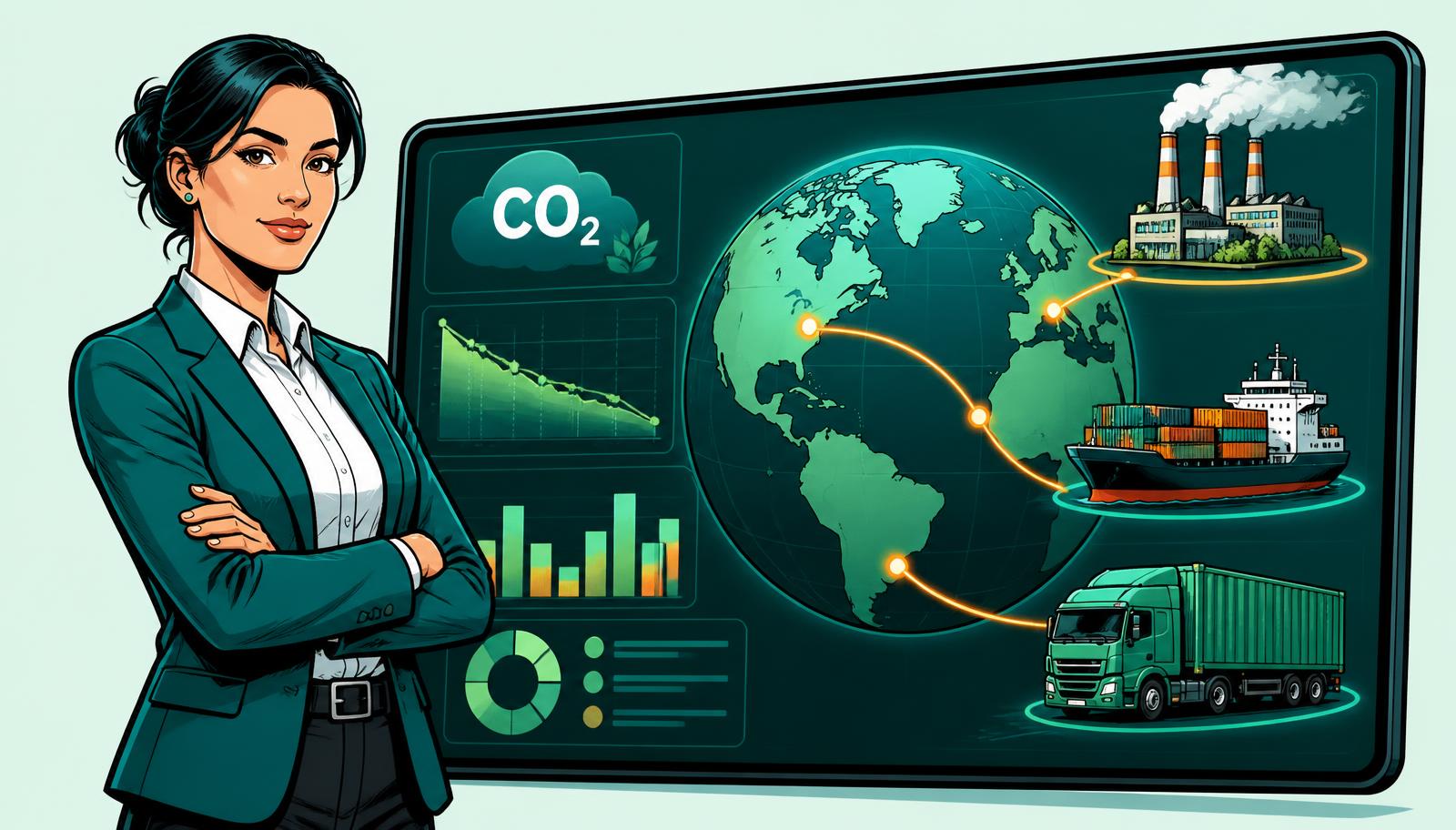
Carbon accounting is the process of measuring, analyzing and reporting the greenhouse gas emissions generated by every step of a product's journey — from raw material extraction to manufacturing, transportation, storage and delivery to the end customer.
- Scope 1 emissions — direct emissions from owned or controlled sources.
- Scope 2 emissions — indirect emissions from purchased energy.
- Scope 3 emissions — indirect emissions across the entire supply chain, including suppliers, logistics and product use.
Scope 3 emissions are often the largest and most complex part of a company's carbon footprint — and the most critical to address for meaningful climate action.
Orixe's CO₂ calculator: a step toward positive change
At Orixe, our vision is to help businesses become more sustainable. As part of our collaboration with OsloMet and Gründergarasjen, we have developed a CO₂ calculator for businesses — because we know it is the right step to join the movement of positive change. It empowers businesses to measure, monitor and reduce emissions across their supply chains, giving clear insight into where emissions occur and making sustainability measurable and achievable.
Why carbon accounting matters in supply chains
Compliance with regulations
Global regulations such as the EU Corporate Sustainability Reporting Directive (CSRD) and the EU Deforestation Regulation (EUDR) require transparent reporting of environmental impact. Carbon accounting enables companies to meet these requirements with confidence.
Reducing environmental impact
Measuring emissions allows companies to identify hotspots in the supply chain and take targeted action — from optimizing transport routes to switching to renewable energy.
Building trust and competitive advantage
Consumers and B2B buyers increasingly demand proof of sustainability. Transparent carbon reporting strengthens brand reputation and provides a competitive edge.
Managing risks and costs
Climate-related risks — from resource scarcity to regulatory penalties — are rising. Carbon accounting allows companies to foresee and mitigate these risks while improving operational efficiency.
The future of carbon accounting
Technology is transforming carbon accounting from a manual reporting process into an automated, data-driven practice. Platforms like Orixe integrate carbon accounting into supply chain management, enabling:
- Real-time insights through continuous data updates
- Data-driven sustainability strategies
- Seamless reporting for compliance
- Integration with traceability and audit systems
As regulations tighten and sustainability becomes a market differentiator, carbon accounting will no longer be optional. It will be a core part of how supply chains operate.
Conclusion
Carbon accounting is the foundation for a sustainable supply chain. It gives businesses the insight they need to measure impact, meet regulatory requirements, reduce emissions and gain trust. For exporters and manufacturers aiming to compete in global markets, investing in carbon accounting is a step toward resilience, transparency and sustainability — and a way to answer the call of UN SDG 13.