The rising importance of ESG data in global supply chains
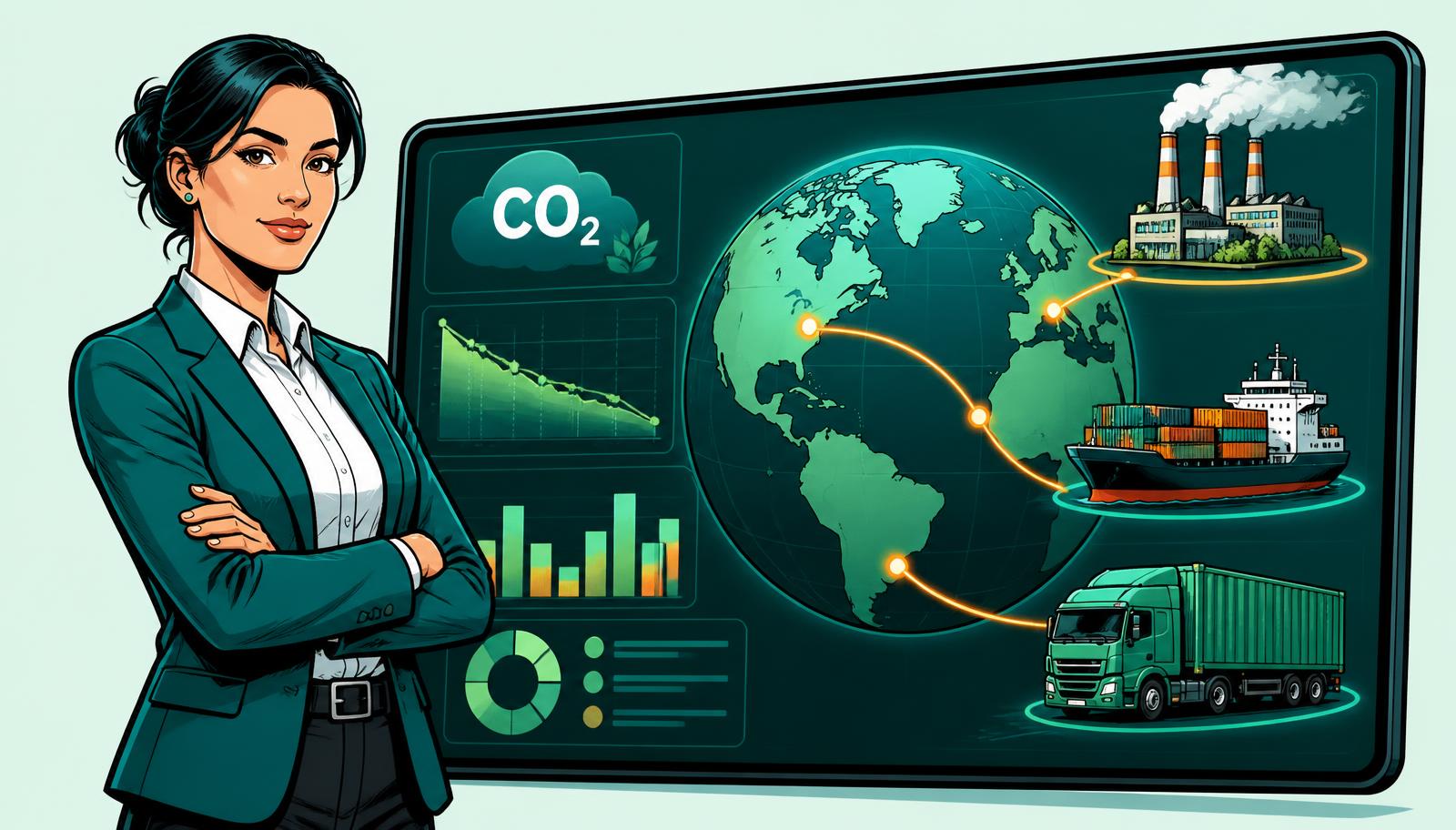
In today's interconnected world, sustainability is no longer a side topic — it's a core business requirement. Global supply chains are under increasing scrutiny from regulators, investors and consumers who demand to know not only what companies produce, but how they produce it. For exporters, this means one thing: ESG data has become essential to maintaining and growing business with international buyers — especially in the EU.
What is ESG data and why does it matter
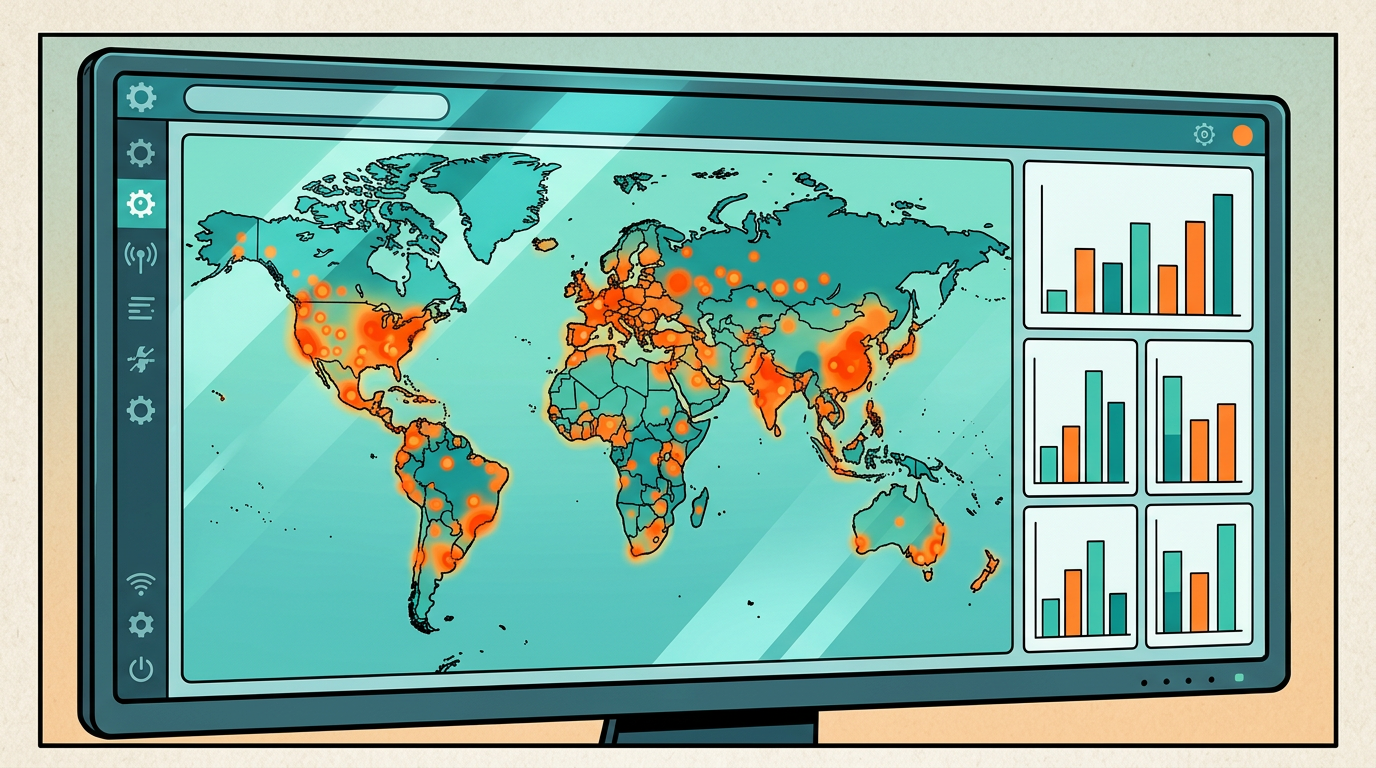
ESG data represents measurable information about how a company manages its:
- Environmental impact — energy use, CO₂ emissions, waste management.
- Social responsibility — working conditions, human rights, community impact.
- Governance structure — ethics, transparency, anti-corruption measures.
European companies now require their suppliers to provide reliable ESG data to ensure the entire value chain aligns with sustainability standards. Without it, exporters risk losing access to key markets.
From voluntary reporting to mandatory compliance
Just a few years ago, ESG reporting was mostly voluntary. Today it's rapidly becoming mandatory — driven by new EU laws such as the Corporate Sustainability Reporting Directive (CSRD) and the Corporate Sustainability Due Diligence Directive (CSDDD), which makes companies legally responsible for the social and environmental impacts in their global supply chains.
European importers now expect verified ESG data from their non-EU suppliers. If your company cannot provide accurate ESG information, buyers may choose other suppliers who can.
How ESG data builds trust and competitive advantage
- Proves accountability — show buyers your operations follow ethical and environmental standards.
- Supports long-term contracts — responsible companies prefer working with transparent suppliers.
- Attracts funding and partnerships — investors increasingly consider ESG performance.
- Enhances brand reputation — consumers and regulators value sustainability-driven businesses.
The challenge: collecting and managing ESG data
Many exporters still face practical challenges: data scattered across departments or suppliers, manual reporting through spreadsheets that is time-consuming and error-prone, and suppliers at lower tiers that lack awareness or capacity to report ESG metrics. This is where digital solutions come in — simplifying ESG data collection, validation and reporting across the supply chain.
How digital platforms simplify ESG data management
A connected digital platform like Orixe allows exporters to collect ESG information from all suppliers in one place, perform digital audits to verify compliance, track CO₂ emissions and environmental performance, and connect ESG data with traceability and risk management modules. By integrating all ESG-related processes into a single system, exporters gain visibility and can share credible data with European buyers.
Preparing for the future
ESG data will only grow in importance. Exporters who start organizing and digitizing their data now will be ready for upcoming requirements like the CSDDD and CBAM — and will stay ahead of the competition. It's a chance to lead proactively in sustainability, building trust, transparency and responsibility across your supply chain.