The advantages of cascading down demands in the supply chain
In complex supply chains, it's not enough to ensure your direct suppliers follow your standards. The real challenge lies further down the chain — among sub-suppliers you may never meet, but whose practices directly affect your business, reputation and compliance. Orixe lets companies cascade audits and standards down the supply chain, driving accountability across the network without compromising supplier privacy.
The top 3 advantages of cascading demands with Orixe
1. Deeper compliance without micromanagement
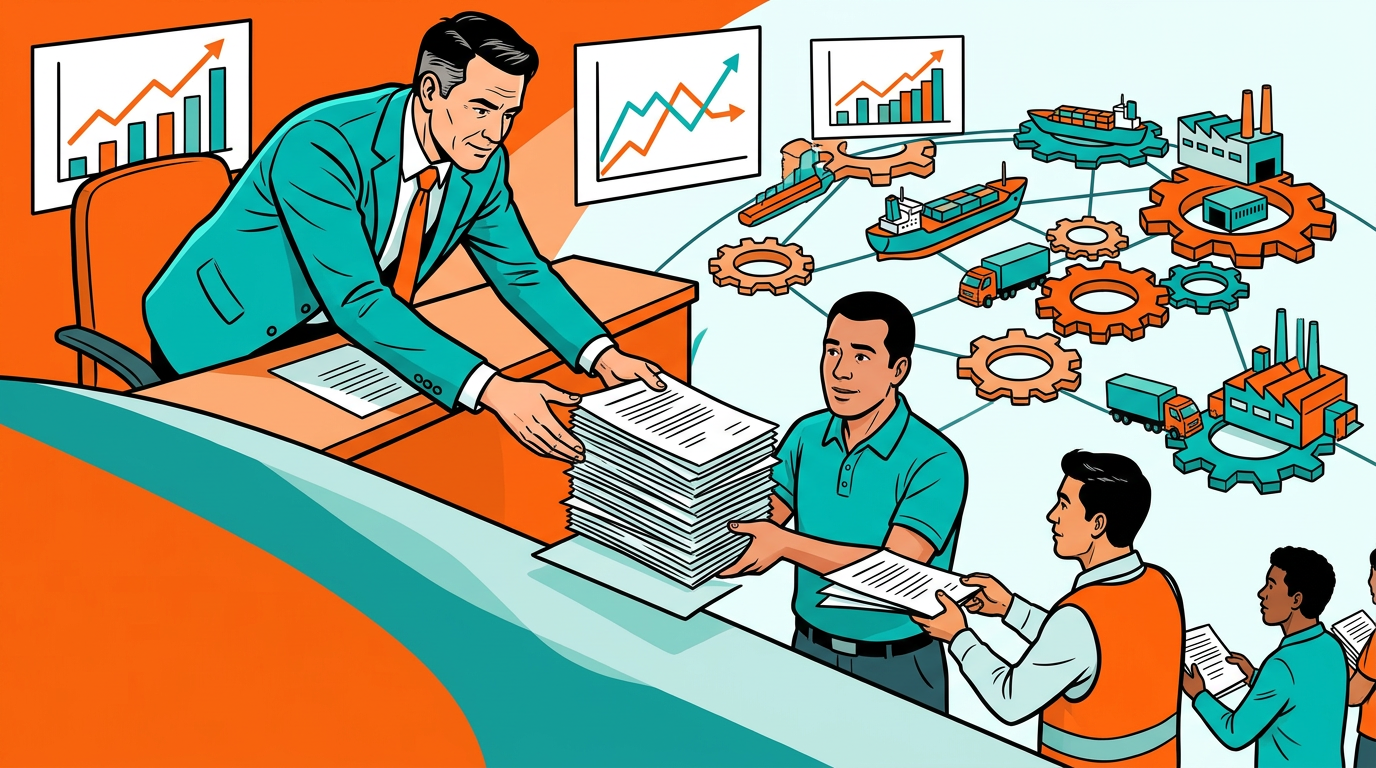
With cascading audits, you don't have to manually trace every actor in your supply chain. Your direct suppliers can forward the same audit to their own suppliers — ensuring your Code of Conduct, ESG criteria or other requirements reach lower tiers. While you won't see the names or answers of sub-suppliers (to protect privacy), you'll still know how far your audit has reached and how many have filled it out — giving you confidence that standards are being enforced beyond your immediate partners.
2. Stronger risk signals across the chain
Even without full visibility into individual responses from lower-tier suppliers, cascading demands helps identify compliance gaps and weak links. If audits aren't being forwarded or completed further down, it's a red flag. This helps you engage proactively with direct suppliers, mitigate risks and protect your business from reputational or legal fallout.
3. Streamlined reporting and regulatory readiness
New regulations like the EU's CSRD and CSDDD require businesses to demonstrate responsibility across the entire supply chain. Cascading audits make this easier — you'll gather verified data from direct suppliers and be able to prove that similar standards are being enforced at deeper levels, even without seeing every detail. It's a practical way to stay compliant while respecting supplier confidentiality.
Conclusion
As supply chains grow more complex, the need for transparency, ethical standards and sustainability becomes more urgent. Cascading demands down to sub-suppliers is not just a best practice — it's becoming an industry necessity, creating a ripple effect of compliance across the parts of the chain you don't directly see.