Orixe's 3-step guide to secure your supply chain
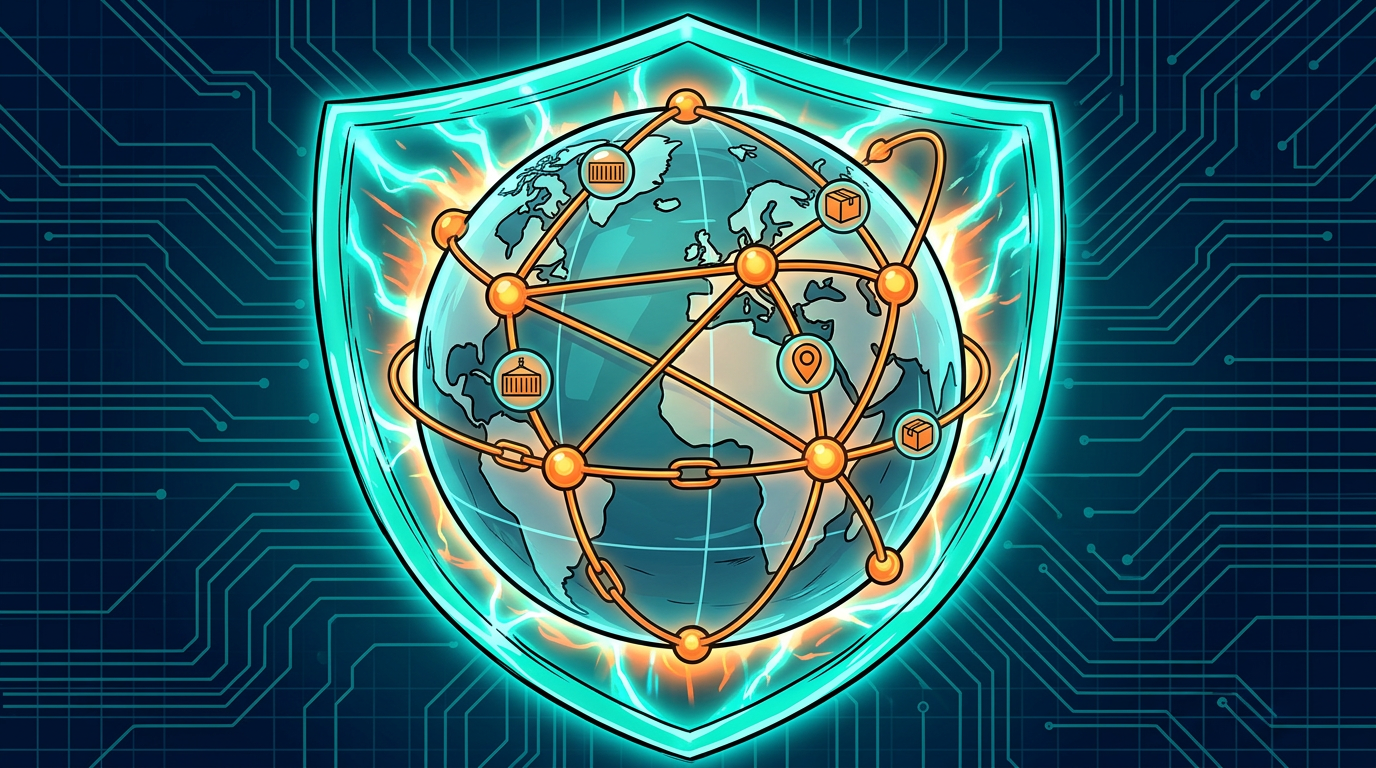
You should be in control of your supply chain — and your suppliers and subcontractors should not be able to jeopardize your business's finances, operations or reputation. This 3-step guide outlines how to secure it.
Step 1: Transparency
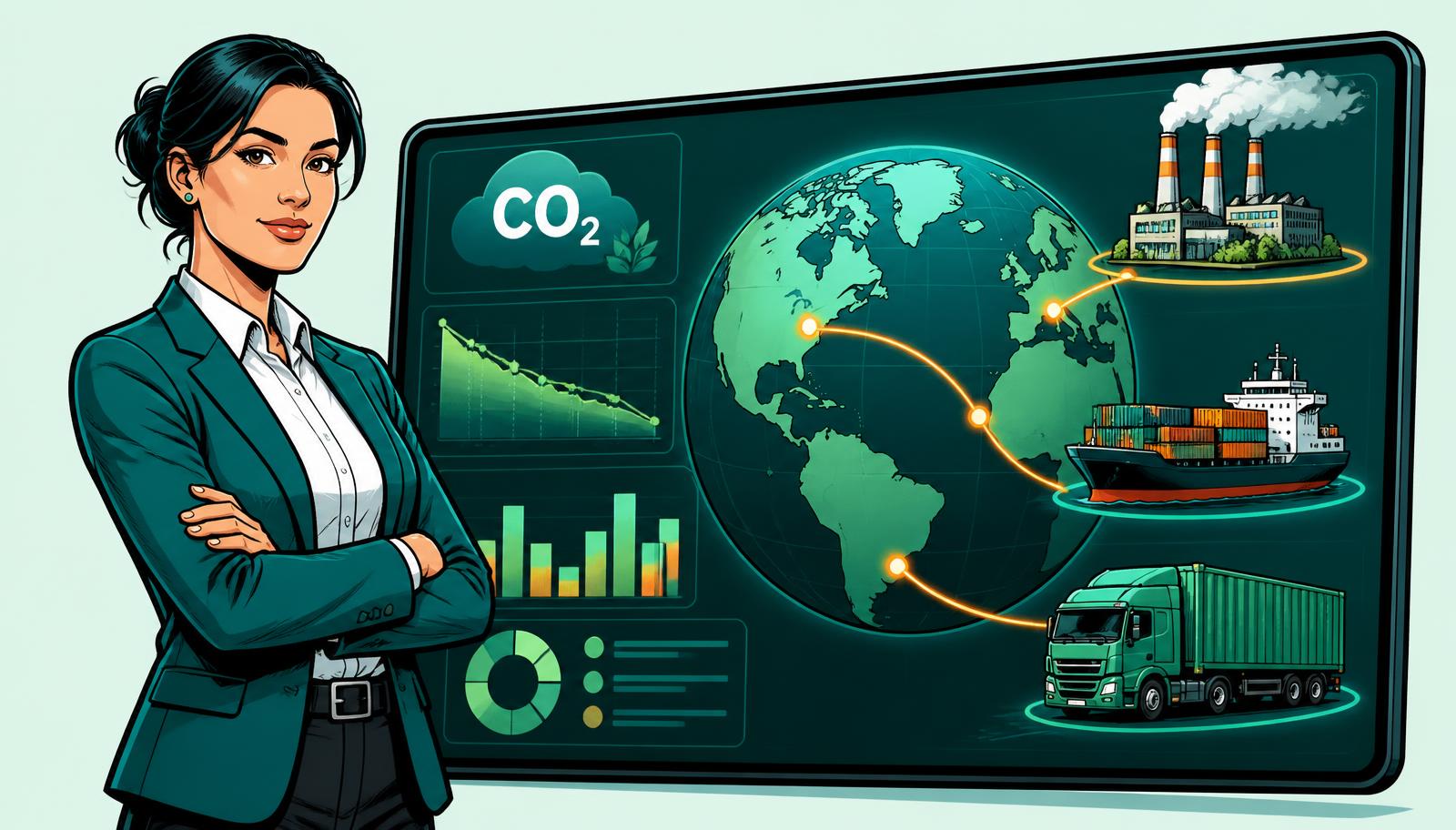
Supply chain transparency means companies know what is happening upstream and openly communicate this information both internally and externally. One factor pushing companies towards greater transparency is consumer demand. Research at MIT Sloan School of Management has found that consumers may be willing to pay 2% to 10% more for products from companies that provide greater supply chain transparency.
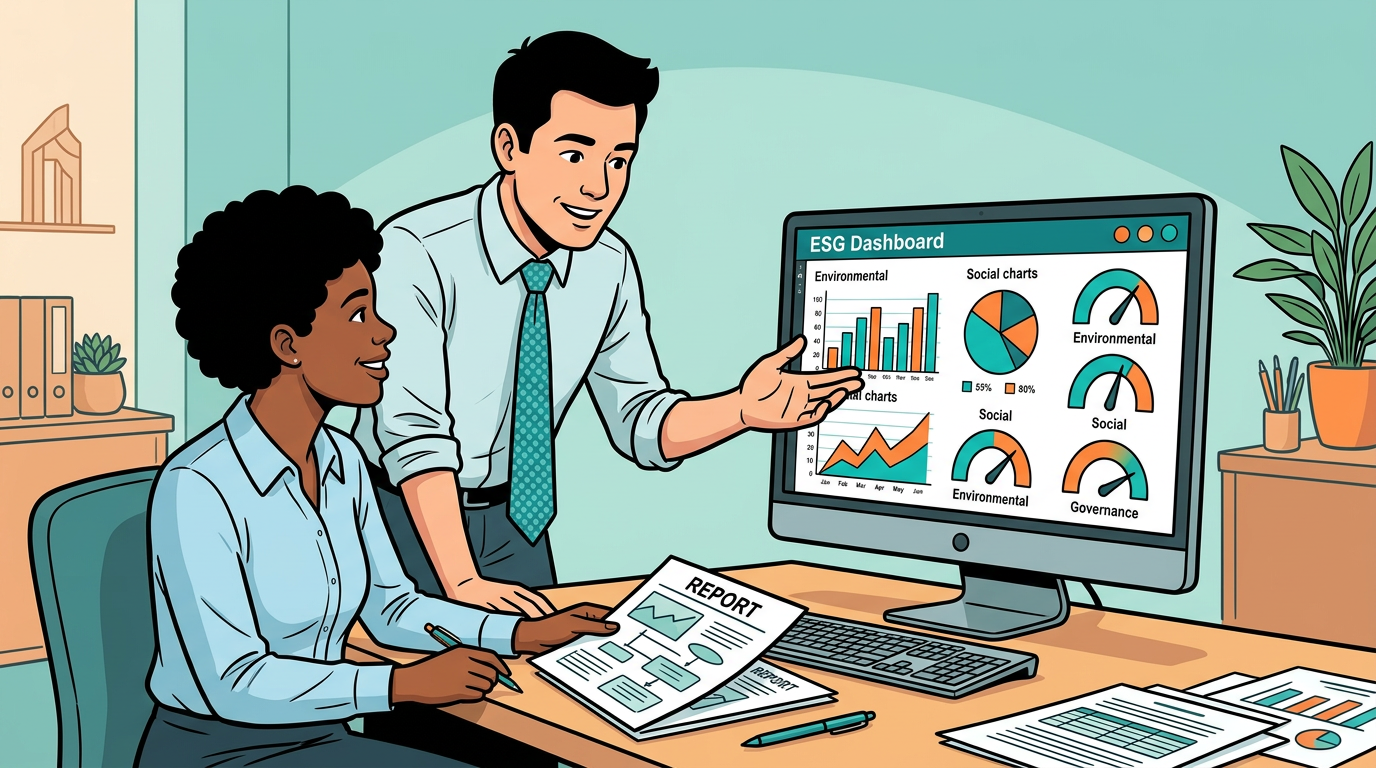
There is also a personal interest, as increased transparency reduces financial and reputational risks. Greater transparency also prevents alienation in the delivery of goods — every part of the supply chain becomes visible. Through Orixe's software, an organization can make its supply chain more transparent to minimize disruptions, improve customer service and reduce financial and reputational risk.
Step 2: Reducing the risk of falsified goods and inaccurate information
A real threat is receiving falsified or pirated goods from suppliers. Increased transparency and documentation make it easier to trace products and can save organizations from ending up with faulty machinery — which costs resources, time, reliability and reputation.
During the COVID-19 pandemic, organizations experienced significant challenges in sourcing protective equipment. High costs, shortages of certified suppliers, limited raw materials and procurement delays disrupted the availability of reliable supplies. With greater supply chain transparency, companies could have identified these bottlenecks earlier, enabling smarter sourcing decisions and stronger operational resilience.
With Orixe, all components of an organization's supply chain can be integrated into one platform, making it easier to identify where things went wrong — so the fault is not automatically blamed on the organization selling the end-product.
Step 3: Ethical and environmental responsibility
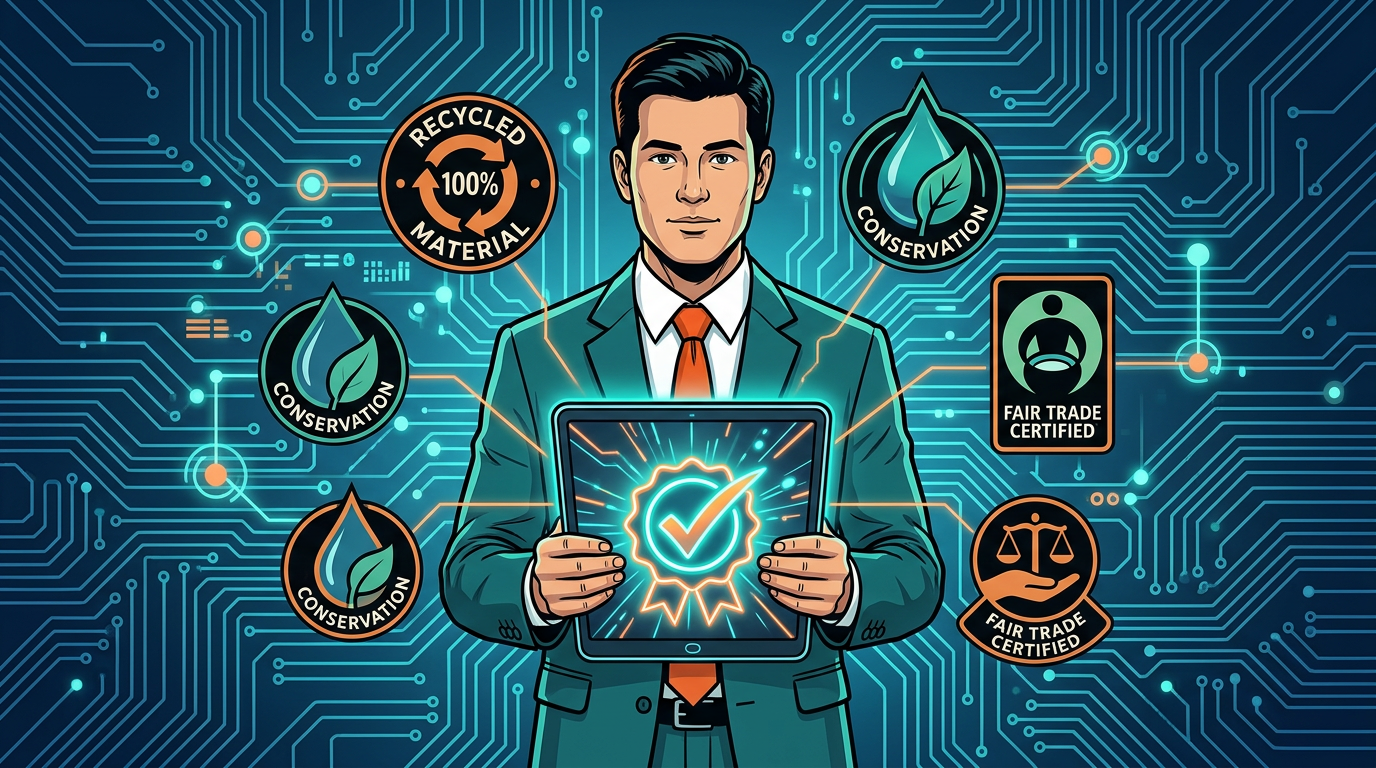
Consumers have become more aware of how organizations operate, especially when it comes to ethical and environmentally friendly practices. The MIT study found consumers especially value information about the treatment of workers in a product supply chain and the seller's effort to improve working conditions and environmental performance.
Increased transparency improves brand and value image. Orixe secures transparency and accountability, so companies can prove to the public that they are taking responsibility — and expect the same from their suppliers.